The popular Kinect /Wii Clone You've Never Heard of!
Wii Xbox Kinect Nex Playground

The popular Kinect /Wii Clone You've Never Heard of!

So, what is this strange little box, and why is it suddenly taking over living rooms?

Anton Bot Dec 23, 2025 5 Mins

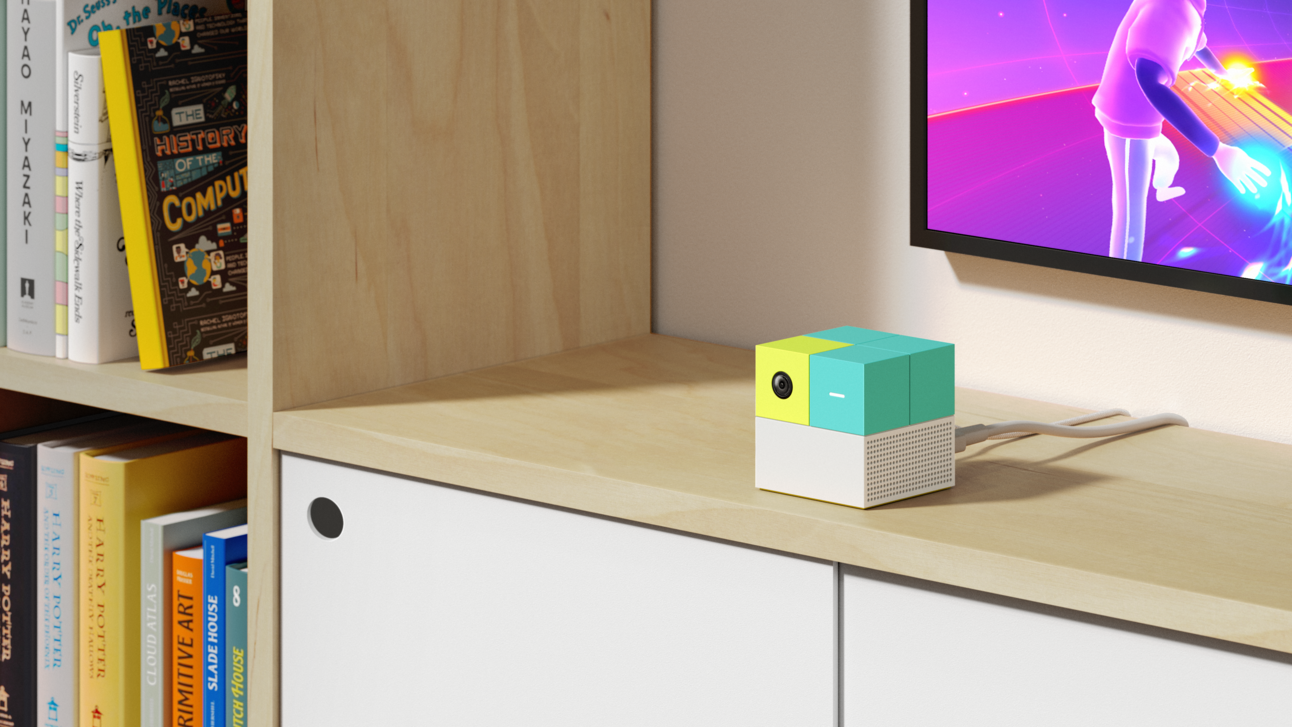
The Nex Playground is a motion-based game console that feels like a spiritual successor to the Nintendo Wii and the Microsoft Kinect. Developed by Nex Team Inc, it is a tiny cube powered by an ARM chip and a custom Android-based operating system called Play OS.

It’s a three-inch cube of a game console that’s likely less powerful than your phone, one which uses a single camera to track your body. It only plays curated, certified kid-safe games. Though frequently compared to the Nintendo Wii and Microsoft Kinect, the Nex Playground is worse than either at tracking motion.

Nor is it cheap: $250 upfront plus $89-a-year or $49-a-quarter subscription to get more than a basic sampler. If you like a game, you can’t buy it separately. Many are little better than shovelware and most are graphically ugly; I haven’t seen a single game with the charm or polish of Nintendo or the best of Apple Arcade.

Tapping into that "Wii" crowd is something I haven't seen in a long while. A system that everyone can play. But this system is closer to the Xbox Kinect than the Nintendo Wii with its controller-less functionality.

This is exactly the type of console my parents would have gotten me for Christmas. Not because of the price or anything like that, but simply because it’s not a mainstream system; it’s an "active" and "child-safe" alternative. While I love the concept and think the product itself looks great, I’m just really not a fan of the subscription model for the game library. It likely helps them secure big IP contracts for their dev teams, but let’s be real: most parents probably won't keep up with a subscription. That means a lot of kids are going to be stuck playing the same five pre-loaded games forever once that initial pass runs out.

The Tech: Worse than Wii?

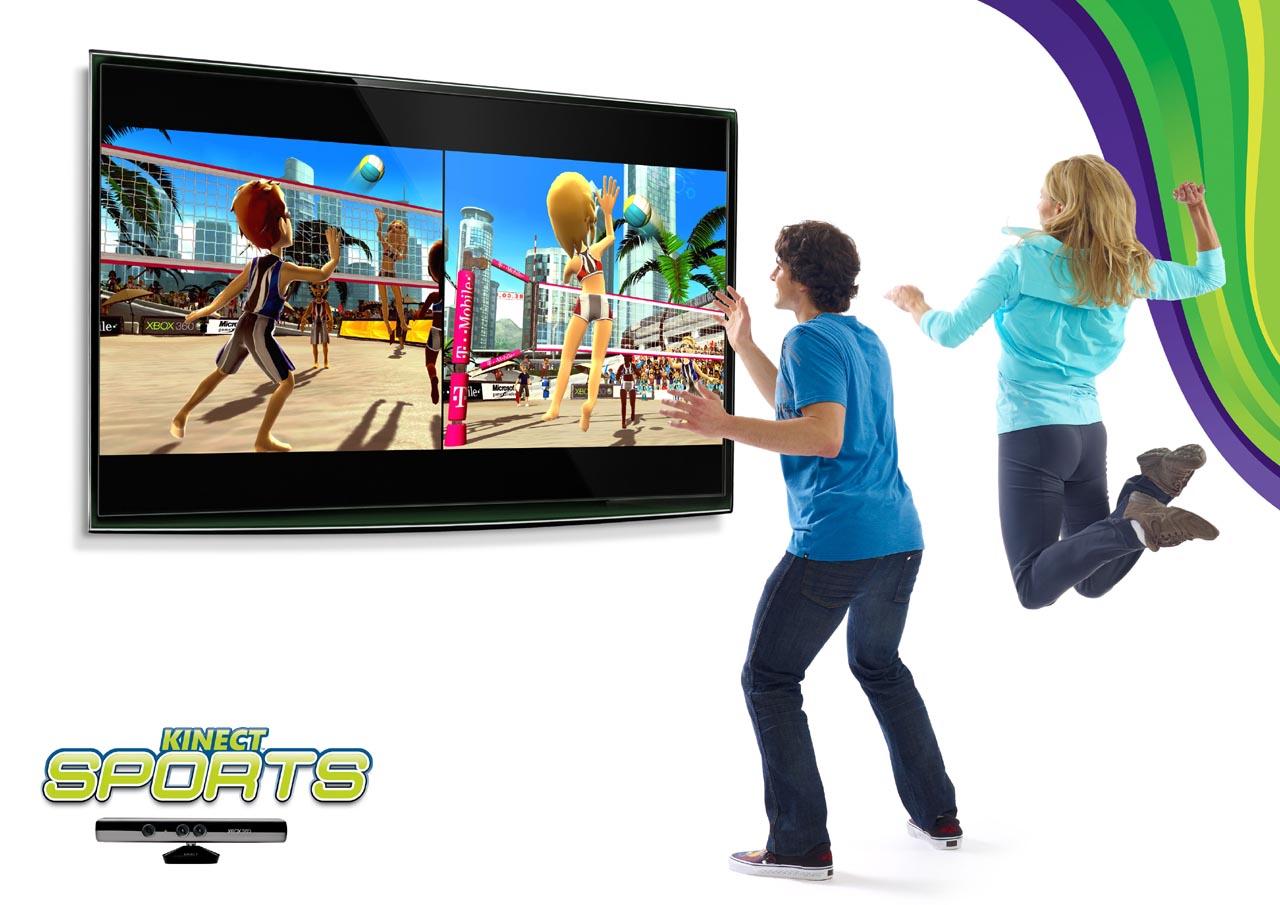
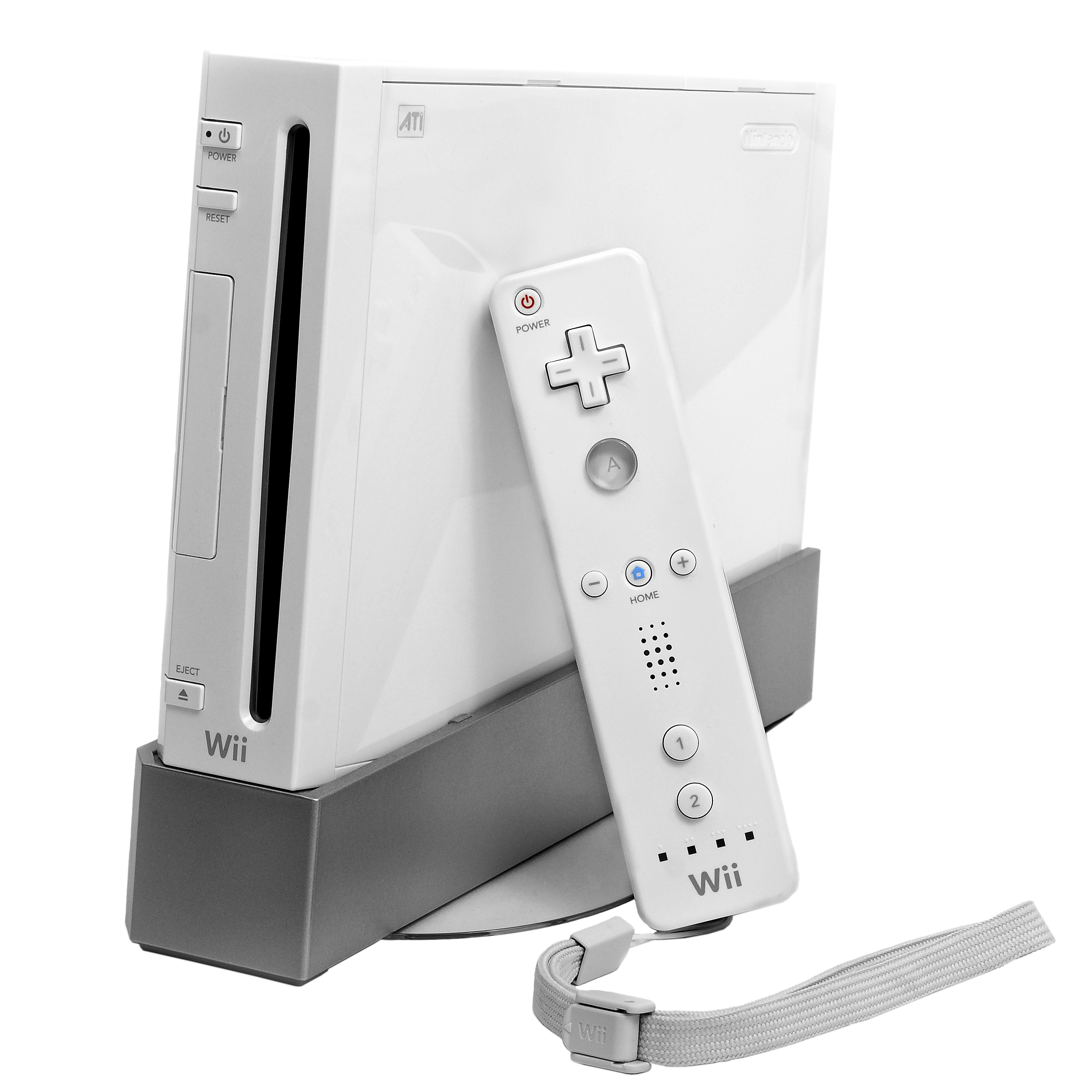
Nearly 20 years ago, the Nintendo Wii put an infrared camera and an accelerometer in your hand to tell if you moved your arm fast, slow, closer or further, and track basic orientation. A few years later, Microsoft’s Kinect captured your whole body with no controller at all: it painted your room with a structured pattern of infrared light to estimate your skeletal position in 3D space.

Image
The Nintendo Wii set the standard for motion controls.

The Playground is different: the box is the console, with a single wide-angle camera up front and HDMI and USB-C power around back, nothing else to plug in. But it also doesn’t “see” 3D depth. It has to estimate your body pose from flat images.

The Nex Playground is definitely built for that "set it and forget it" parent logic, but under the hood, it’s a modern piece of tech. Here is a breakdown of how it handles the internet and AI, along with the potential for the modding community.

Image
Kinect (Microsoft/Xbox)

Though I will give credit. You only need an internet connection for the initial setup and to download games. Once a game is installed on the 64GB of internal storage, you can play it completely offline. This makes it a great "travel console" for hotel rooms or family visits where Wi-Fi might be spotty. However, the catch remains: if your subscription (Play Pass) expires, you won't be able to launch those downloaded titles anymore, essentially locking you back into the five free starter games

Mirrorama (Nex Playground)

Games

The games on the Nex Playground currently feel a bit basic. While Fruit Ninja is probably the most entertaining title in the bunch, it’s a simple game that you can already play for free on virtually any touchscreen device. If a game from over fifteen years ago is the "Killer App," that doesn't exactly instill confidence in the platform's long-term library. The console feels like a fun gimmick at first, but it currently lacks the mechanical depth and variety that defined systems like the Nintendo Wii.

Even with Bluey, the gameplay is shallow.

Fruit Ninja is included, but requires the subscription for more.

It reminds me of the Xbox Kinect. cool technology that is initially exciting but eventually becomes too physically exhausting for regular play. To the device's credit, the technology behind it is leagues better than the original janky Kinect. You don’t have to struggle with laggy menus or spend minutes waving your arms just to hit a single button; the AI-powered tracking is actually snappy and responsive, which is a massive improvement over literally any other controller-free method we've seen in the past.

Specs & Modding?

  • CPU: Amlogic A311D2-NOD (8-core ARM)
  • RAM: 4GB LPDDR4X (Presumed)
  • Storage: 64GB eMMC
  • OS: Play OS (Android based)
  • Price: $199 - $249

It's an Android box at heart. It would be neat to figure out how to mod it! Right now it is a closed garden. But imagine sideloading retro emulators on this thing? Well, you still need some sort of input.

Verdict

The CEO of Nex, David Lee, recently gave an interview where he explicitly talked about "fixing" the problem Nintendo had with the Wii. He uses the phrase "standing on a giant's shoulder" to describe how much they respect the Wii, but he thinks the business model was broken.

In a recent interview (December 2025), David Lee explained why they chose a subscription instead of letting you buy games:

"One of the most important things we should do is learn from history and try not to commit the same limitations, and that's why we have a subscription model. Nintendo expanded the audience with Wii. When you expand the audience, and they want different things, and they only buy Wii Fit, Wii Sports and not many others… that's a bit of a problem."

David Lee

However, when you aren't paying the subscription, you are stuck with 5 games, why not just allow purchasing of individual games? The option would be a great thing for consumers.

The Nex Playground feels like the camera-tracking console Nintendo never quite got around to making. It proves that there is still a massive market for simple, casual gaming that doesn't require a steep learning curve. Even today, the massive sales numbers for titles like Super Mario Party (over 21 million units) and Nintendo Switch Sports (over 16 million units) show that families are still craving that "pick up and play" magic. This simplicity was the secret sauce of the Wii’s success. While Nintendo tried to recapture that spark with the Wii U, that system was ultimately too expensive and over-engineered. The lesson here is clear: success in the living room isn't about raw power or complex hardware, it's about removing every barrier between the player and the fun, and in this case literally.